
Marsa Mubarak
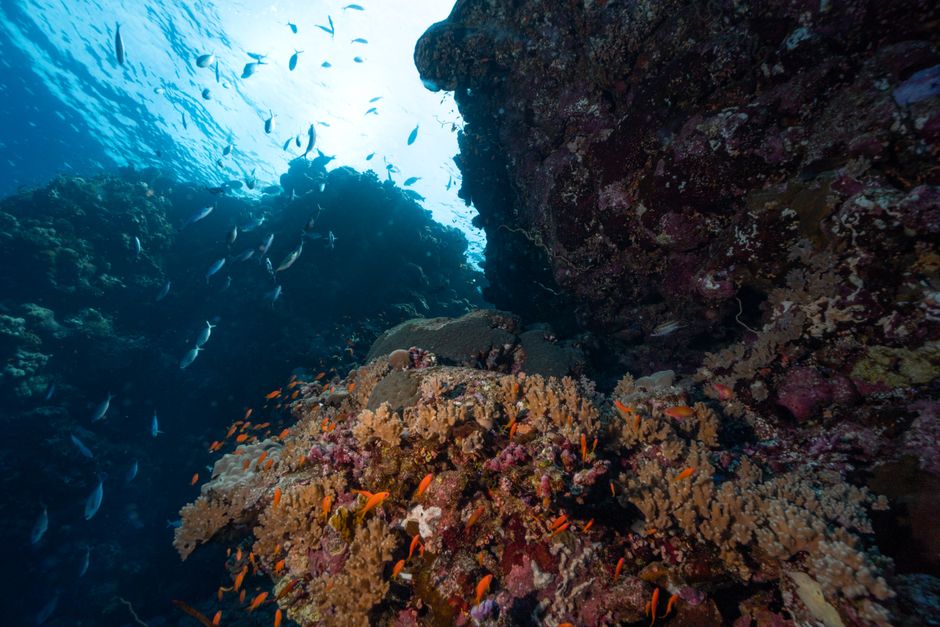
A sheltered bay with extensive seagrass meadows, famous for green turtles, possible dugong encounters and rich marine life for all levels.
Quick Facts
Quick Facts
Location
Near Port Ghalib, north of Marsa Alam
Access
Shore and boat
Depth
Approximately 5–24 m depending on area
Experience
All levels
Current
Generally mild, variable on outer reef
Visibility
Typically around 15–30 m
Famous For
Green turtles, dugongs, seagrass meadows and rich marine life
Why Dive This Site?
Why Dive This Site?
Green Turtles
Green turtles feed over the seagrass meadows. Encounters are a wildlife experience and are never guaranteed.
Seagrass Meadows
Extensive seagrass habitat supports turtles, dugong and a rich associated ecosystem.
Possible Dugong Encounters
Marsa Mubarak is one of the Red Sea’s known sites for a chance dugong encounter. Sightings are unpredictable and never guaranteed.
Shallow & Accessible Diving
The sheltered bay and gradual depth make the site ideal for beginners, training and snorkelling.
Rich Marine Life
A rich variety of reef fish, rays, cephalopods and macro life thrives across the bay’s different zones.
Shore & Boat Diving
Marsa Mubarak can be reached by boat or, where local access is available, from the shore. The entry method depends on the operator and departure point.
The Dive Site
Marsa Mubarak
Depth
Approximately 5–24 m depending on area and profile
Dive Level
All Levels — Shore & Boat
Conditions & Currents
Generally mild inside the sheltered bay, with variable conditions on outer reef areas. Visibility typically around 15–30 m. Can be choppy at the surface with wind.
Dive Description
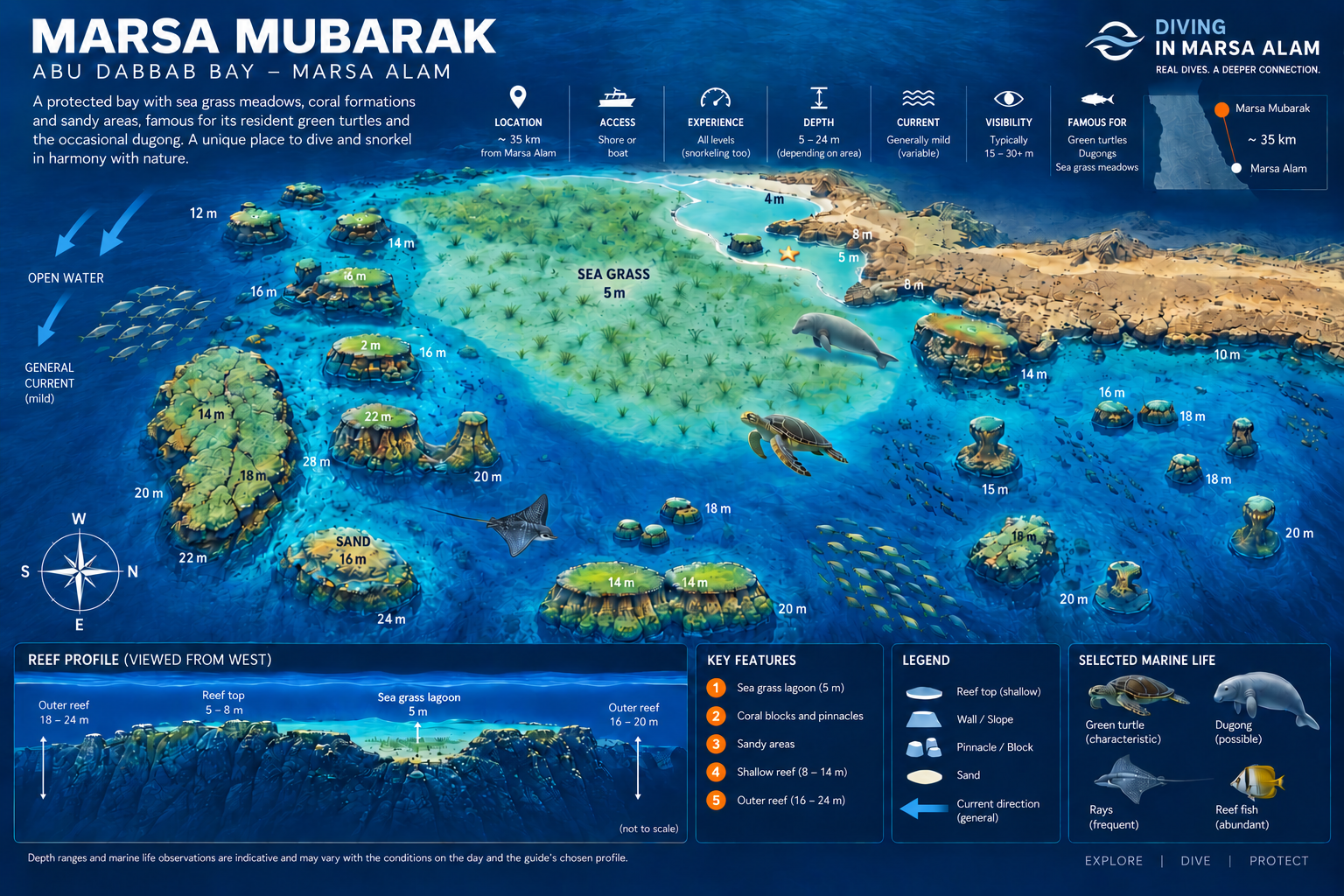
Marsa Mubarak is a large, sheltered bay with extensive seagrass meadows, sandy bottoms, coral formations and scattered pinnacles. The seagrass meadow in the centre of the bay is the characteristic area for green turtle encounters and the possibility of dugong sightings. Around the bay, reef slopes, coral blocks, pinnacles and deeper outer reef areas create different diving profiles. The profiles described here range approximately from 5 m over shallow seagrass to 24 m in deeper reef areas; actual depths vary by route, and some sections extend deeper. The site can offer very different experiences depending on whether the focus is the seagrass wildlife, reef formations, or the outer reef. There is no single fixed route — the profile depends on conditions, the guide’s judgement and the selected area.
Location & How to Get There
Marsa Mubarak is a sheltered bay near Port Ghalib, north of Marsa Alam town. It is commonly visited by dive boats, while shore entry may also be possible where local access and operator arrangements permit. Travel time and the available entry method depend on the departure point and operator.
Marsa Mubarak
Open in Google MapsDive Map
This map is a simplified visual reference for the Marsa Mubarak site layout, not a fixed dive route. The actual profile and route depend on conditions, the guide’s judgement and the selected area of the bay.
Site-Specific Features
Site-Specific Features
Seagrass Meadows
The extensive seagrass meadows in the centre of the bay are the defining habitat of Marsa Mubarak. The seagrass supports green turtles, the possibility of dugong encounters, and a rich associated ecosystem of fish and invertebrates. The shallow, calm conditions over the seagrass make it ideal for wildlife observation and snorkelling.
Green Turtle Habitat
Green turtles are strongly associated with the seagrass habitat at Marsa Mubarak. They feed over the meadows and may be encountered while feeding or moving through the bay. The best encounters come from remaining still and giving the turtle space to continue feeding naturally. Divers should never touch, chase, or block a turtle’s path. Encounters are never guaranteed.
Learn more about turtlesWildlife encounters can never be guaranteed. These are wild animals in their natural habitat.
Dugong Encounters
Finding a dugong at Marsa Mubarak is a wildlife encounter, not a scheduled attraction. The dugong is a wild, seagrass-dependent animal whose presence is unpredictable. Sightings are never guaranteed. Patience is more important than pursuit. Divers must allow the animal to determine its own direction and distance. Never chase, touch, or surround a dugong, and never block its route to the surface.
Learn more about dugongsWildlife encounters can never be guaranteed. These are wild animals in their natural habitat.
Coral Blocks & Outer Reef
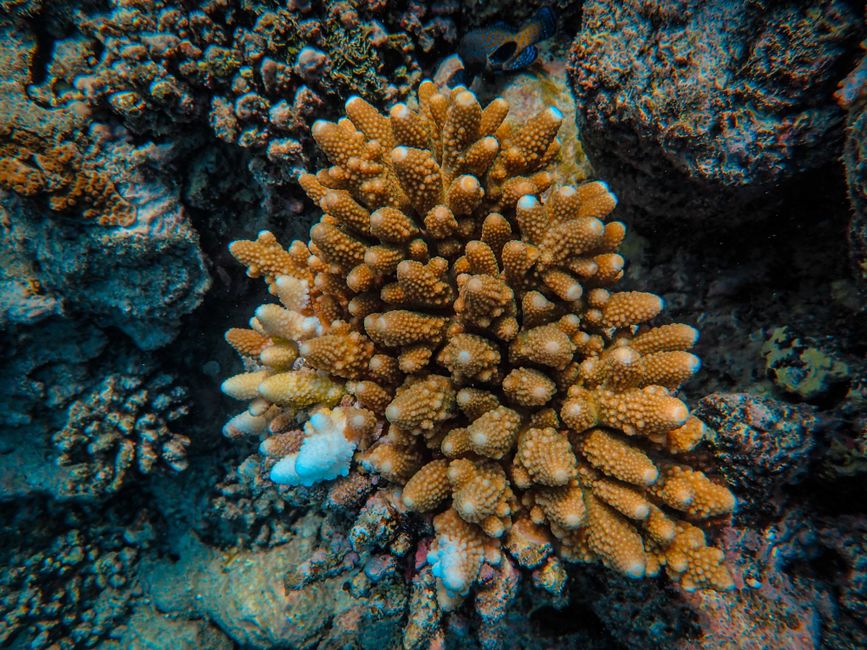
Scattered coral formations, pinnacles and deeper outer reef areas provide additional diving profiles beyond the seagrass meadow. The reef edges support a rich variety of fish, rays, octopus, moray eels and macro life, adding variety and exploration interest to the dive.
Dive Profiles
Dive Profiles
Seagrass Wildlife Dive
Depth Range
Approximately 5–12 m
Reef Zone
Central bay seagrass meadow and shallow sandy areas
What to Expect
A shallow dive or snorkel focused on the seagrass meadow, searching for green turtles feeding and the possibility of a dugong encounter. The shallow, calm conditions are ideal for long bottom times and patient wildlife observation.
Current Considerations
Usually minimal inside the sheltered bay. Conditions can vary and the guide determines the plan.
Marine Life Focus
Green turtles, possible dugong, rays, blue-spotted rays, reef fish in the seagrass.
Experience Implications
Suitable for all levels including beginners and snorkellers. Buoyancy and patience are more important than advanced certification.
Reef & Pinnacle Dive
Depth Range
Approximately 12–18 m
Reef Zone
Coral formations, reef edges and pinnacles around the bay
What to Expect
A reef dive exploring coral formations, pinnacles and varied reef terrain along the bay edges. Reef fish, rays, octopus and moray eels are among the marine life that may be encountered. A rewarding intermediate profile adding variety to the wildlife dive.
Current Considerations
Generally mild, with some variation possible on the reef edges. The guide selects the route based on conditions.
Marine Life Focus
Reef fish, blue-spotted rays, octopus, moray eels, lionfish, pipefish, macro life.
Experience Implications
Suitable for Open Water divers and above on an appropriate route when conditions allow. Good buoyancy and reef awareness are important.
Outer Reef / Deeper Profile
Depth Range
Approximately 18–24 m
Reef Zone
Outer reef slopes and deeper coral formations
What to Expect
A possible deeper dive along the outer reef slopes and coral formations, offering broader reef scenery and a more exposed environment than the sheltered bay. The exact route and depth depend on conditions, diver experience and the operator’s assessment.
Current Considerations
Current is more likely on the outer reef. The guide assesses whether this profile is viable on the day.
Marine Life Focus
Larger reef fish, rays and occasional pelagic visitors.
Experience Implications
Suitable for experienced divers comfortable with depth and potential current. Advanced Open Water or equivalent experience is appropriate.
Conditions & Currents
Marsa Mubarak is a sheltered bay, and currents inside the bay are generally mild. The shallow seagrass area and reef edges are usually calm, making them ideal for beginners and snorkellers. On the outer reef, conditions can vary and current may be present. The map may show a general current direction, but actual conditions can change and should be assessed by the guide on the day. The dive profile is selected based on conditions, not on a fixed route. Divers should be prepared for variable conditions and follow the guide’s assessment.
Who Is This Site For?
Marsa Mubarak is suitable for a broad range of experience levels because the sheltered bay and different areas provide different depths and profiles. Beginners and Open Water divers can enjoy the shallow seagrass areas and reef edges. Experienced divers can explore the outer reef and deeper profiles. Snorkellers are welcome in the shallow bay. Families and mixed groups can share the same trip, with some members snorkelling while others dive. Underwater photographers will find subjects ranging from turtles and dugong to reef fish and macro life. Not every profile is appropriate for every certification level — the guide determines the plan based on conditions and the group.
Marine Life
Marsa Mubarak
Green Turtle
Green turtles feed on seagrass meadows in shallow sheltered bays, particularly at Abu Dabbab.
Dugong
Dugongs may visit the seagrass meadows of Marsa Mubarak and Abu Dabbab to feed. Encounters are unpredictable and never guaranteed.
Turtles
Turtles may be encountered around the shallow reef and surrounding areas.
Blue-spotted Ray
Blue-spotted rays are often seen resting on sandy bottoms near reef edges.
Octopus
Octopus may be found on reef edges and sandy areas, especially during late afternoon and night dives.
Moray Eels
Moray eels may be found in crevices and holes along the reef edge, often seen during day and night dives.
Squid
Squid may be encountered in the water column, especially during dusk and night dives when they become more active.
Lionfish
Lionfish may be encountered around reef edges and coral formations, especially during dawn, dusk and night dives.
Pipefish
Pipefish may be found among seagrass and reef edges, rewarding patient macro observation.
Green Turtle
Characteristic
Dugong
Possible
Turtles
Possible
reef-fish
Characteristic
Blue-spotted Ray
Possible
Octopus
Possible
Moray Eels
Possible
Squid
Possible
macro-life
Possible
Lionfish
Possible
Pipefish
Possible
Wildlife encounters can never be guaranteed. These are wild animals in their natural habitat.
Green Turtles
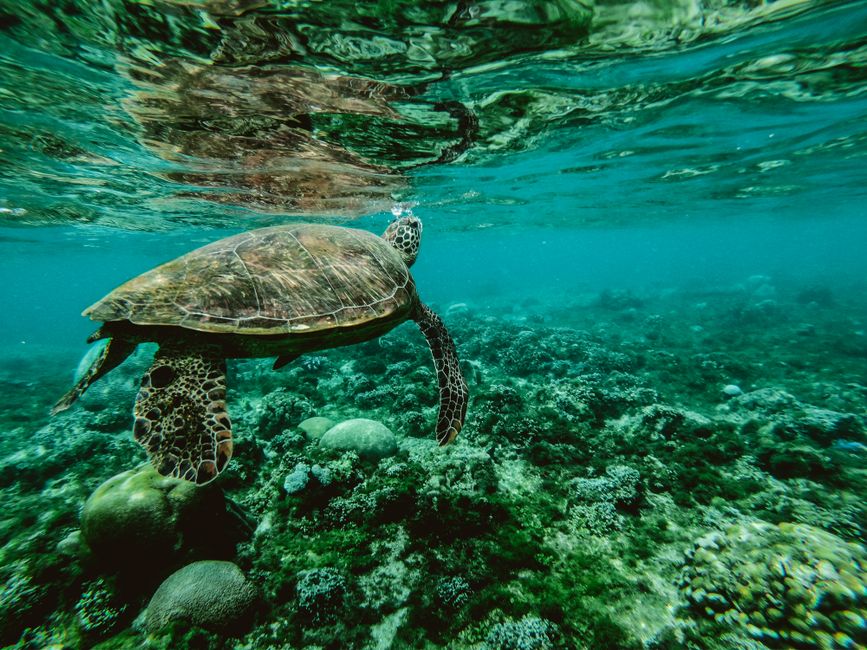
Green turtles are strongly associated with the seagrass habitat at Marsa Mubarak. They feed over the meadows, and the shallow bay provides suitable feeding habitat. Divers may encounter them while they are feeding or moving through the bay. The best encounters come from remaining still and giving the turtle space to continue feeding naturally. Divers should never touch, chase, or block a turtle’s path. Avoid contact with seagrass and coral. Encounters are never guaranteed.
The Dugong
Finding a dugong at Marsa Mubarak is a wildlife encounter, not a scheduled attraction. The dugong is a wild, seagrass-dependent animal whose presence is unpredictable. Sightings are never guaranteed. Patience is more important than pursuit. Divers must allow the animal to determine its own direction and distance. Never chase, touch, or surround a dugong, and never block its route to the surface. Avoid disturbing the seagrass habitat.
Wildlife Etiquette
DO: Maintain neutral buoyancy. Keep a respectful distance from all wildlife. Let animals choose their direction. Remain calm and quiet. Leave animals an unobstructed route. Move slowly around seagrass.
DO NOT: Chase turtles or dugongs. Touch animals. Surround them. Block their route. Feed wildlife. Stand on seagrass. Damage coral.
These guidelines are essential for responsible diving at Marsa Mubarak — the wildlife is the reason people come, and respecting it is the only way to keep it here.
When to Dive
Marsa Mubarak can be visited throughout the year, subject to conditions. The bay is generally sheltered, but access and diving conditions still depend on wind, sea state and the operator’s assessment. Green turtles and general reef life can be encountered year-round. Dugong sightings remain unpredictable and must not be associated with a guaranteed month. Seasonal variations may affect conditions and wildlife activity. Water temperatures range from approximately 22°C in winter to 30°C in summer, with visibility typically around 15–30 m depending on conditions. Where night diving is offered and conditions permit, octopus, cuttlefish and other nocturnal reef life may be encountered.
Shore Diving
Shore diving may be possible at Marsa Mubarak where local access and operator arrangements permit. A suitable entry can provide access to the shallow bay, seagrass meadows and nearby reef areas without a boat journey. However, many visits are organised by boat, and shore access should not be assumed for every visitor or operator. The available entry point and dive route must be confirmed locally.
Underwater Photography
Marsa Mubarak offers excellent opportunities for both wide-angle and macro photography.
For wide-angle work, the seagrass meadows, green turtles, reef formations and larger reef scenes are the primary subjects. When a dugong is encountered, a wide-angle setup is the right choice — but the photographer must let the animal determine the distance. Never chase, block or surround a dugong for a photograph.
For macro, the seagrass-associated subjects, pipefish, small reef fish and reef life around the coral structures reward patient, slow observation. The shallow, calm conditions provide excellent opportunities for macro work.
Responsible photography is essential. Maintain neutral buoyancy at all times. Do not touch, chase or block any marine life. Do not damage seagrass, coral or stand on reef structures. Allow wildlife to determine the distance. The goal is to photograph behaviour as it unfolds naturally.
Safety & Practical Information
Marsa Mubarak is a sheltered bay commonly visited by boat, with shore entry also possible where local access and operator arrangements permit. Listen carefully to the guide’s briefing before entering the water. Conditions can vary between the sheltered bay and the outer reef. Stay within the planned profile and maintain appropriate buoyancy. Protect seagrass and reef — avoid contact with seagrass beds and do not stand on coral. Respect all wildlife — turtles and dugongs are wild animals and must not be chased, touched or surrounded. Surface signalling equipment (SMB) should be carried where appropriate to the dive plan. Follow the guide’s instructions at all times.
Planning your visit
Shore entry available
Suitable for all levels
Excellent for night dives
Snorkelling and diving
Entry: sandy beach
Parking: available
Night diving: permitted
Nearest town: Marsa Alam (20 min)
Gallery
Marsa Mubarak
FAQ
Marsa Mubarak
Marsa Mubarak is a large, sheltered bay with extensive seagrass meadows, famous for green turtles, possible dugong encounters and rich marine life. It is one of the most popular dive sites in the Marsa Alam area, suitable for all levels.
Prices
Clear, honest diving prices
No hidden costs. Daily diving, packages, courses, and private options — all in one place.
View Diving PricesReady to dive Marsa Mubarak?
A sheltered bay with extensive seagrass meadows, famous for green turtles, possible dugong encounters and rich marine life for all levels.
Enquire About This Dive